One of the most common procedures I perform is cholecystectomy -- gallbladder removal. I'm working on an anatomy, physiology, and surgical approach video to show patients in the office and let them review at home afterward. I thought I'd try AI to help build the illustrations.
I started with Copilot. Here's what it drew when I asked for the biliary tree:
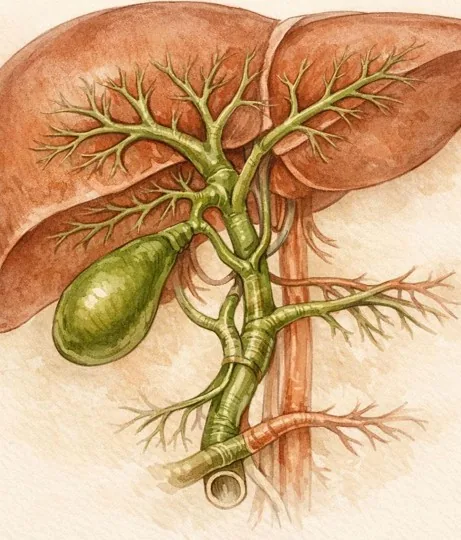
This is where it gets concerning: Copilot hallucinated. It drew bile ducts that simply don't exist -- not even in patients with the most unusual anatomy I've seen in 24 years of operating. If a patient or a student took this at face value, they'd walk away with a wrong picture of how the biliary system is actually built.
So I tried Adobe Firefly instead, and got a much more accurate result:
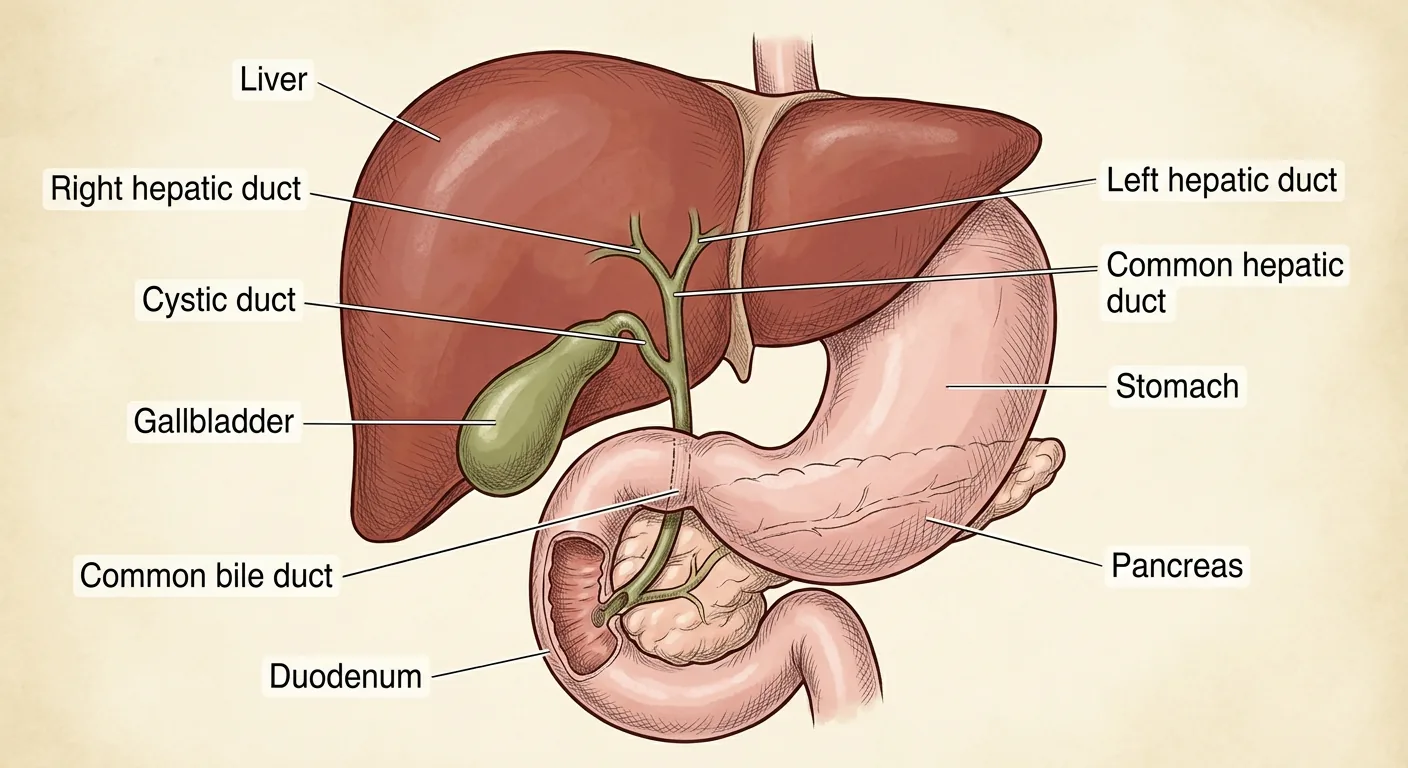
This drawing held up well. It still took a few rounds of revisions to get the labeling exactly right, but the anatomy itself was correct from the start.
I also use AI in the office -- DAX Copilot helps build my progress notes. It's a great tool, but it hallucinates there too sometimes. I have to review every note with a fine-toothed comb before it goes in the chart.
The lesson across both of these: AI has real benefits, and real shortcomings. It can save time and produce a great starting point, but it still needs a knowledgeable person checking its work -- every time.